History of Boeing - First steps of a giant (1910-1932)
The First Steps of a Giant: Boeing's Formative Years (1910–1932)
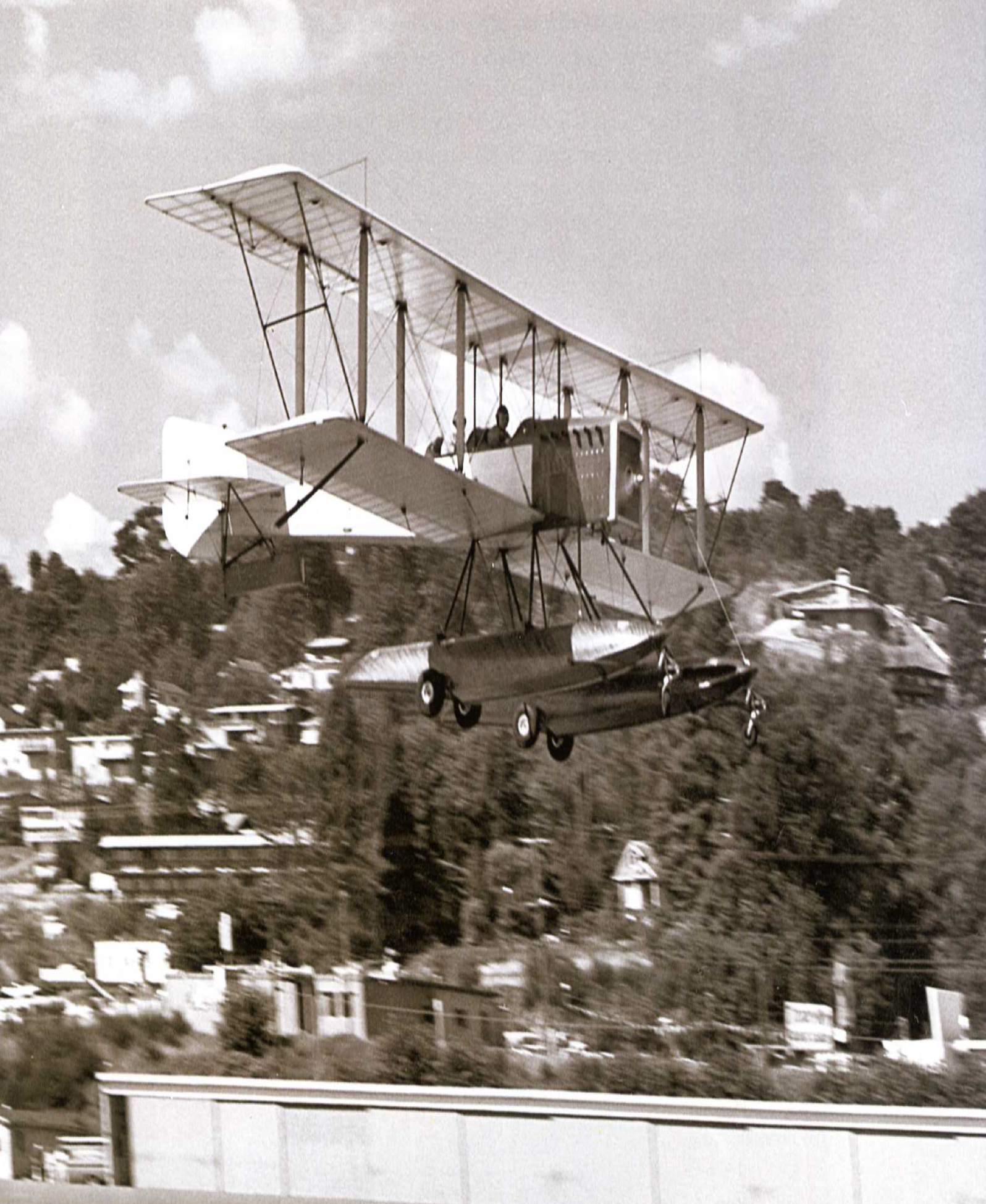
The replica of the first Boeing, the B & W, making its historic flight over Seattle.
The story of Boeing did not begin with a corporate master plan, but with a wealthy timber man’s fascination with "anything new." In 1910, William Edward Boeing attended the first American air show in Los Angeles, an event that would ultimately pivot his career from the forests of Minnesota to the skies of the Pacific Northwest.
The Birth of the "Red Barn"
By 1916, Boeing had partnered with naval engineer Conrad Westervelt to design his first aircraft, the B & W seaplane. When Westervelt was transferred away, Boeing carried on alone, founding the Pacific Aero Products Company on July 15, 1916. The factory? A simple wooden structure painted red with white trim—the legendary "Red Barn."
"Maroney's plane isn't that great. I think we could make a much better one." — William Boeing to Westervelt, 1914.
Surviving the Post-War Slump
The end of World War I nearly destroyed the young firm. The market was flooded with surplus military planes at knockdown prices. To survive, Boeing was forced to diversify into making furniture and motorboats (the "Sea-Sleds"). The company’s salvation came through a contract to rebuild and modernize British DH-4 biplanes for the Army.
The Mail and the "Boeing System"
The real turning point came with the Air Mail Act. In 1927, Boeing designed the Model 40A, utilizing the revolutionary Pratt & Whitney Wasp engine. Boeing’s bid was so aggressive—$1.50 per pound of mail—that rivals doubted his sanity. Yet, the Model 40A was a profit-making machine, eventually giving rise to United Airlines.
Historical Milestone: Jane Eads
On July 1, 1927, journalist Jane Eads became the first transcontinental passenger on a regular flight. Dressed in a feather boa and cloche hat, she braved 23 hours of flight in a cramped, unventilated cabin to make history.
Technological Revolution: The Monomail
By 1930, Boeing moved away from traditional biplanes with the Model 200 Monomail. It featured an all-metal semi-monocoque fuselage and retractable undercarriage—one of the first of its kind. Though it was too expensive for mass production, it became the genetic blueprint for the modern airliners and bombers that would dominate the decades to come.